


Labradorite
$0.00
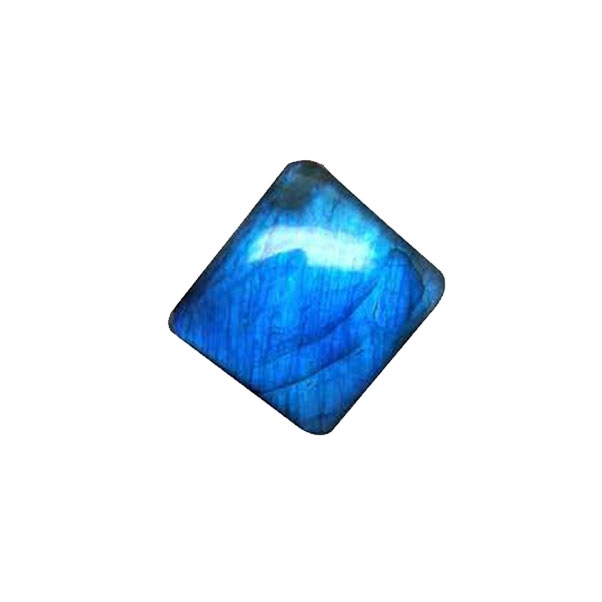
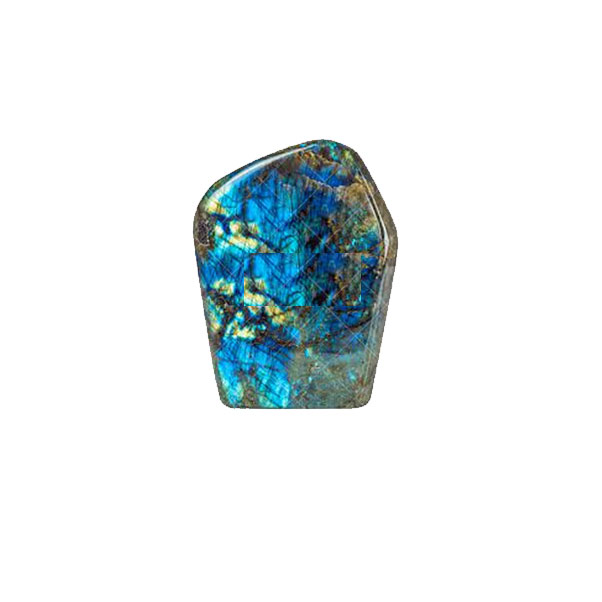
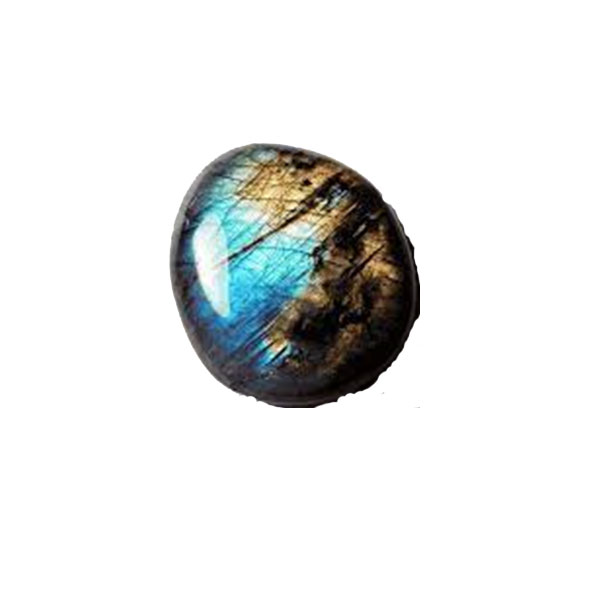
Labradorite is a member of the Feldspar family. The Feldspar group of Minerals is a large group within the Silicate Minerals family, the largest group of Minerals in the world. They make up over 50% of Earth’s crust, but they aren’t all as beautiful Gems we know and love! As well as Labradorite, other popular Gemstones in the Feldspar family include Moonstone, Sunstone and Amazonite. It is the chemical makeup of these Gems that categorises them as Feldspar.
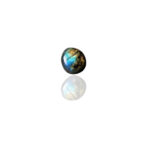
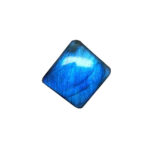
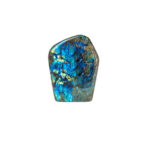
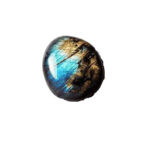
Labradorite comes in a range of different body colours. Labradorite can have a very light grey body colour to a dark, almost black colour. The Labradorite’s body colour enhances the flash seen within the Gem. The darker the body colour, the clearer the Labradorescence
Labradorite is a member of the Feldspar family. The Feldspar group of Minerals is a large group within the Silicate Minerals family, the largest group of Minerals in the world. They make up over 50% of Earth’s crust, but they aren’t all as beautiful Gems we know and love! As well as Labradorite, other popular Gemstones in the Feldspar family include Moonstone, Sunstone and Amazonite. It is the chemical makeup of these Gems that categorises them as Feldspar.
Labradorite comes in a range of different body colours. Labradorite can have a very light grey body colour to a dark, almost black colour. The Labradorite’s body colour enhances the flash seen within the Gem. The darker the body colour, the clearer the Labradorescence
Related Products


Garnets are nesosilicates. 0rigin of name: from ancient Greeks as colour reminded them of the pomegranate seed or granatum. Garnets do not show cleavage (the tendency of crystalline materials to split along definite planes, creating smooth surfaces) so when they fracture under stress, sharp irregular pieces are formed. Because the chemical composition of garnet varies, the atomic bonds in some species are better than in others. The harder species are often used for abrasive purposes.
Colour: virtually all colours
Hardness: 6-7.5


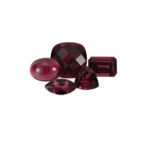
The Rhodolite is a species of a mineral from the Pyrope Garnet variety. The shades range from light violet to pinkish red rising to deep red. The pinkish part of the Garnet family called Rhodolite means “rose stone” in Greek. While it looks similar to a ruby, the Rhodolite has more violet tones and seems softer.
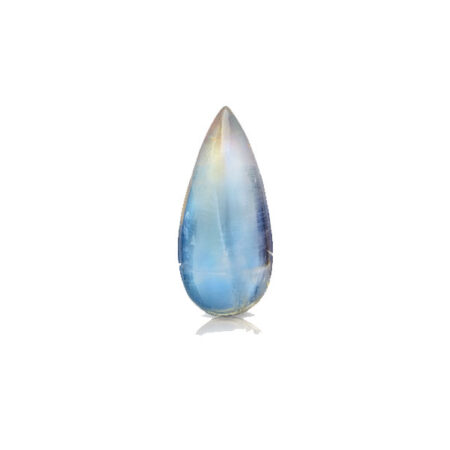
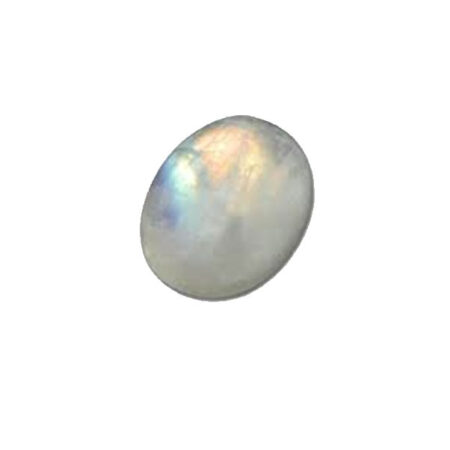
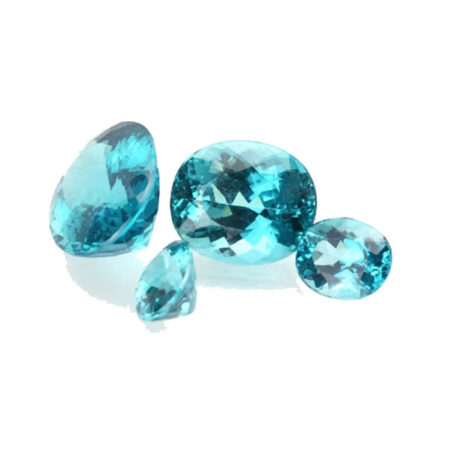
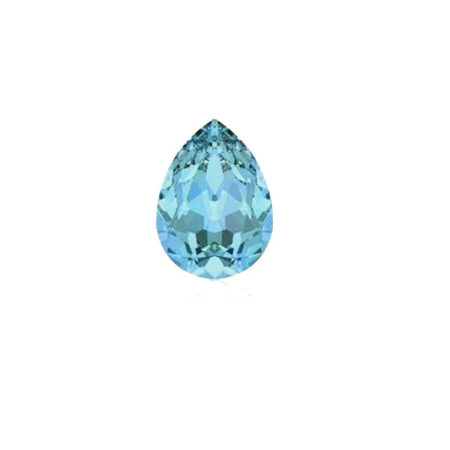
Aquamarine belongs to the gemstone family of Beryls. Origin of name Latin “aqua” meaning water and “mar” sea. Legend has it that Mermaids tails were made of aquamarine. Aquamarine is usually free of inclusions and possesses a superior brilliance. The more intense the colour of an Aquamarine, the higher its value. The principle supply of aquamarine stones comes from Brazil, Russia, Afghanistan, India and Pakistan
Colour: pale blue to light greenish
Hardness: 7.5-8


Tanzanite is part of the zoisite mineral species and is only found in East Africa. Discovered in 1967 in the Umba Valley near the Usambara Mts. in Tanzania. Tanzanite may be colourless, yellow-green, brown, or blue to violet when found; the crystals are heat treated to enhance their colour.
Colour: Tanzanite is noted for its remarkably strong trichroism, appearing alternately sapphire blue, violet, and sage-green depending on crystal orientation. (Trichroism is the property possessed by certain minerals of exhibiting three different colours when viewed from three different directions under white lights. However, most tanzanite is subjected to artificial heat treatment to improve its colour and this significantly subdues its trichroism.
Hardness: 6.5
N.B: Tanzanite is a brittle stone and although it can be worn daily, care should be taken to protect it from knocks, pressure and extreme temperature changes. Do not use a home ultrasonic to clean jewellery with tanzanite

Lorem Ipsum is simply dummy text of the printing and typesetting industry. Lorem Ipsum has been the industry’s standard dummy text ever since the 1500s.
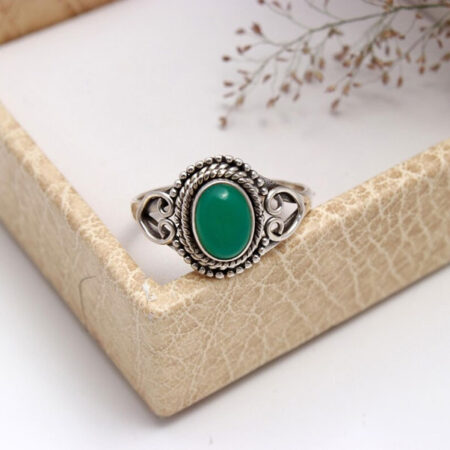
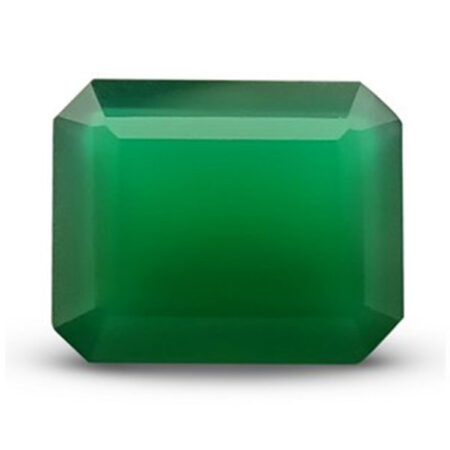
Identification of Onyx Gemstone
Onyx ranges from 6.5 to 7 on the Mohs scale. The density of this stone is 2.6 to 2.65 grams but the density of the stone may vary depending on the purity and type of the stone. This stone is green in color and looks like an emerald stone.

Lorem Ipsum is simply dummy text of the printing and typesetting industry. Lorem Ipsum has been the industry’s standard dummy text ever since the 1500s.


Turquoise is composed of aluminium phosphate and copper. Origin of name: from French for Turkish stone as in ancient days it was transported through Turkey. It was very popular during the days of Ancient Egypt and Ancient Persia and known to man since at least 6,000 BC. Delicate veining, caused by impurities, is desired by some collectors as proof of a natural stone.
Colour: Blue, blue-green, green
Hardness: 5-6


Citrine is a form of quartz with ferric iron impurities and is rarely found naturally. Origin of name from the French word “citron” meaning lemon. Also called citrine quartz. Most commercial citrine is in fact heat treated amethyst or smoky quartz. Brazil is the leading producer of naturally mined citrine.
Shapes: Round, Square,Oval , Octagon, Marquise
Colour: the different shades range from yellow, gold, orange brown shades of transparent quartz.
Hardness: 7
N.B. Citrine and Amethyst are the exact same minerals, the only difference is the level of oxidation of the iron contained in the mineral. As this can be done artificially by heat or irradiation a large majority of Citrine sold today is heat treated amethyst. There are currently no scientific ways to determine if Citrine was changed artificially.


Topaz is a fluorosilicate and can contain trace elements that cause different colours within the Topaz. Origin of name: from Greek Topazion, a Red Sea Island often covered in mist. Topaz wasn’t really known about before the classical era, in the Middle Ages the name topaz was used to refer to any yellow gemstone. Deposits of topaz are found in the regions of Russia, Siberia, Brazil, Sri Lanka, Africa and China, Japan, Pakistan, Myanmar, Nigeria, Australia, Mexico, and in the United States.
Colour: Varies in a broad range of: yellow, blue, pink, peach, gold, green, red, and brown.
Hardness: 8
N.B. Topaz is often heated to change or enhance it’s colour.
Reviews
There are no reviews yet.